
Picture this. A few years ago, turning a design into a product meant ordering in bulk, spending upfront, and hoping everything sold. Unsold items often sat in storage or were thrown away, causing financial and emotional stress.
Print on demand changed that. Products are made only after orders come in, so risk stays low, and control stays with you. You can focus on creativity, test ideas faster, reach buyers worldwide, and build your brand at your own pace.
What Is Print On Demand?
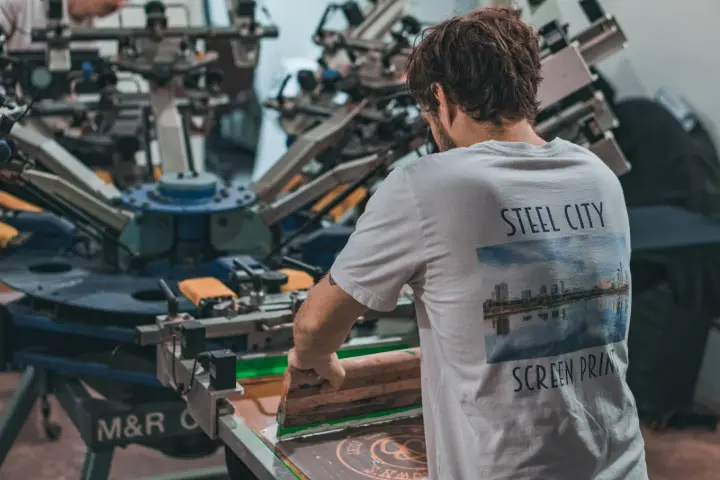
Print on demand is a way to sell custom goods without holding any inventory at all. Products are printed and assembled only after a customer completes an order. This means you never purchase blanks in bulk or deal with excess stock sitting unused.
For you, especially when starting, a US-based print on demand keeps startup costs very low and protects you from big financial risks. You upload your designs to a POD service, connect it to your shop, and the platform manages everything afterward. When a sale comes in, they print the design, pack the item, and ship it directly to the buyer. You never handle equipment, inventory, or carriers. This frees up your time to create new artwork, improve your marketing, and build your brand.
Advantages of Print On Demand
1. You Maintain Strong Financial Control From The Start
Print on demand eliminates the need to commit substantial capital to inventory before demand is proven. Costs are incurred only after a customer completes a purchase, allowing you to allocate resources toward design refinement, targeted marketing, or product experimentation.
This approach significantly reduces financial exposure and supports sustainable decision-making as you build and scale your brand.
2. You Try Out Ideas And Make Midcourse Adjustments On The Fly
With print on demand, you can put new designs in front of customers with no long-term commitment. If a design does not perform well, you can discount it or adjust it within hours, with no leftover inventory to manage.
This level of flexibility turns every product listing into a low-risk test. Over time, you learn what truly resonates with your audience and improve your shop without wasting resources or overthinking decisions.
3. You Can Develop Your Product Quickly
A single design can be applied to multiple product categories, including clothing, accessories, home goods, and stationery, with no setup or supplier coordination required.
This makes the path from browsing to purchase more efficient, increases the chance of multiple items per visit, and adds to the overall professionalism of your brand.

4. You Benefit From Rapid Iteration And Market Feedback
New designs can be introduced and tested within hours or days rather than weeks or months.
Actual sales data arrives quickly, enabling you to identify successful concepts, discontinue underperformers with minimal loss, and refine your offerings based on real customer behavior. This accelerated learning cycle helps you create products that more accurately reflect market preferences.
5. You Have A Worldwide Customer Pool With Almost No Logistics Effort
Well-established print-on-demand platforms typically handle international shipping, customs documentation, and much of the return logistics across multiple countries. You can offer your designs to buyers worldwide without building or managing your own fulfillment operation.
This broader reach supports steady, natural growth without the limits of local or regional operations.
Understanding Print On Demand: Past, Present, And What’s Next
Print On Demand In The Past: How It All Started
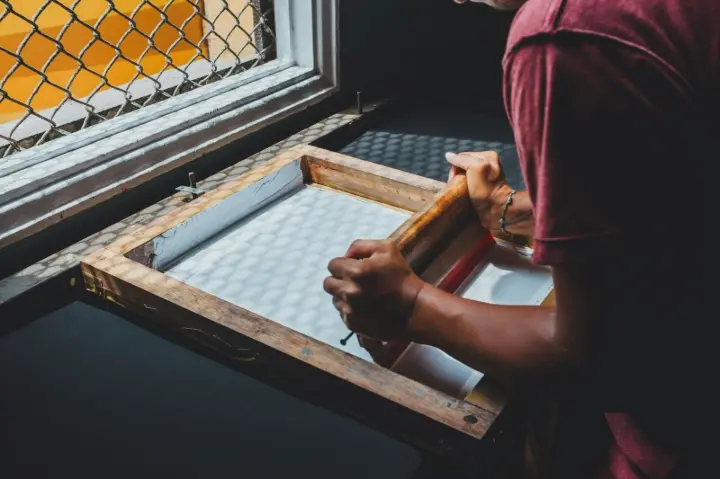
In the beginning, print on demand was developed to solve problems that traditional printing could not handle well. You only printed products after a customer placed an order, which helped avoid waste and high inventory costs.
Back then, the available printing technology had clear limits—quality wasn’t always sharp, color options were narrow, and turnaround times could stretch to weeks.
Most successful custom products stayed simple: books through services like early print-on-demand publishers, basic posters, and straightforward apparel like plain t-shirts with text or logos.
Even so, this model gave you more flexibility and lower financial risk, especially if you were a small business or independent creator trying to enter the market.
Print On Demand Today: How You Use It Now
You design your artwork, upload it to a fulfillment platform, and connect it to your online store. When an order comes in, the partner prints the item, packages it, and ships it straight to the buyer—often within a day or two.
You handle none of the inventory, printing equipment, or shipping labels. This setup lets you run tests across multiple designs at once, using sales data and analytics to see what resonates.
Margins come from setting prices above base costs and fees, with room to adjust based on performance. Global shipping networks give you access to customers far beyond your locations.
Now it keeps operations lean, so you spend time on marketing and new ideas instead of logistics.
What’s Next For Print On Demand: It Matters To You
Printing advances deliver sharper details on more fabrics, faster turnaround, and richer colors—letting you offer premium-looking items at a similar cost.
AI assistants have become genuinely useful. It can suggest targeted designs and spot trends early, cutting creation time while boosting sales potential. Suppliers add organic/recycled bases, low-water inks, and compostable packaging. Smarter machines and software reduce errors and speed fulfillment. Expanding blanks—specialty fits, seasonal items, lifestyle goods—keep your store fresh.
These give you edges: launch better products first, tweak with real data, stand out early, and grow repeat business. Check supplier updates quarterly and test small runs to stay ahead.
Conclusion
You’ve seen how the evolution of print on demand changed everything. It took away big risks, removed heavy inventory, and gave you real freedom to create. It started small. It grew with technology. Now you can move faster. You can adapt easily. You can focus on ideas, not limits.
Looking ahead, print on demand will keep changing. Tools will improve. Quality will rise. Expectations will shift. If you stay aware, you stay ready. Understanding the past helps you make better choices today. And it helps you prepare for what comes next.
The Evolution Of Print On Demand: Past, Present, And What’s Next