
From Content to Commerce
Content used to be the destination. Creators built audiences, focused on engagement, and measured success through reach. Growth meant more followers, more views, and more interaction. Income usually came through brand deals, advertising, or affiliate links, all tied directly to how visible a creator remained within the platform's algorithms.
That model still exists, but it no longer feels complete. In 2026, creators rarely treat content as the final product. Content now acts as the entry point. It builds attention, establishes identity, and creates a sense of familiarity, but it also opens the door to something more stable.
Audiences have changed at the same pace. People no longer follow creators just to be entertained. They follow personalities, humour, values, and perspective. They invest in individuals rather than in content alone. That shift creates a deeper connection, but it also creates a new expectation.
Content moves quickly. A post that performs well today can disappear from relevance within hours. Algorithms change without warning, search volume fluctuates, and even well-established creators can lose visibility. Relying entirely on that system creates uncertainty.
A brand offers something different. It creates continuity. It gives creators a way to build something that exists outside platform control. It also gives audiences a way to stay connected beyond the next post or video.
That shift from content to commerce has become a natural progression rather than a strategic gamble. Creators no longer ask whether they should build a brand. They ask how to do it in a way that feels authentic to what they have already created.
Clothing fits directly into that transition. It doesn't feel like a separate business decision. It feels like a continuation of the same identity that already exists online. A creator who has spent time developing a recognisable tone, aesthetic, or message often reaches a point where translating that into something physical makes sense.
A t-shirt or hoodie becomes more than a product. It becomes a physical extension of something that people already understand and connect with.
Why Clothing Has Become the Go-To Product
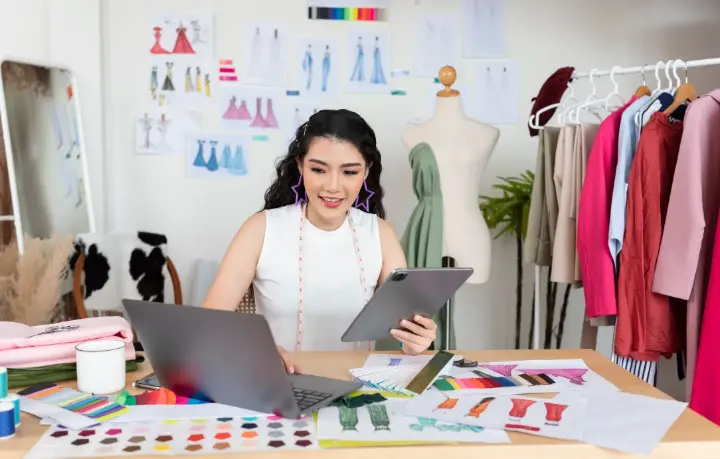
Clothing works because it connects directly to identity. People use what they wear to express how they think, what they enjoy, and where they feel they belong. A design doesn't need to be complex to carry meaning. Even a simple phrase or graphic can signal something personal.
That makes clothing fundamentally different from most other products a creator could offer.
Other products can sell, but they rarely become part of everyday life in the same way. Clothing becomes part of the routine. It gets worn regularly, appears in social settings, and moves through different environments. That constant visibility gives it a unique level of influence.
Creators already understand how visual identity works. They shape how they appear on camera, how their content looks, and how their personality comes across. Translating that into clothing follows the same principles. The visual language already exists. Clothing simply extends it beyond the screen.
There is also a strong emotional layer behind it. Audiences often want to feel connected, not just entertained. Buying clothing linked to a creator allows people to express that connection visibly. It turns passive support into something more active.
That emotional connection strengthens the relationship between creator and audience. A piece of clothing becomes more than something to wear. It becomes a signal of alignment, a way to show shared humour, shared values, or shared perspective.
Clothing also carries longevity. Content moves quickly, but a well-designed piece can remain relevant for much longer. It becomes part of a person's wardrobe, something that gets worn regularly over time. That creates an ongoing connection rather than a one-time interaction.
Visibility adds another dimension. Clothing moves through real-world environments. It gets seen by people who may never have encountered the original content. It creates exposure without requiring constant effort or additional promotion.
That combination of identity, emotion, and visibility explains why clothing has become the default choice. It aligns naturally with how creators build their presence and how audiences choose to engage with it.
The Rise of Niche Communities and Micro-Brands
Audience size no longer defines success in the same way it once did. A smaller, highly engaged community often creates more value than a large but passive following. Creators who understand their audience deeply can build stronger relationships and more meaningful brands.
That shift has led to the rise of micro-brands. These brands don't try to appeal to everyone. They focus on specific communities, shared interests, and defined cultural spaces. That focus allows them to create products that feel relevant rather than generic.
Clothing within these communities often carries deeper meaning. A design might look simple to someone outside the group, but for those inside it, it represents a shared experience or a specific reference. That kind of connection creates a stronger emotional response than broad, mass-market designs.
Exclusivity forms naturally in these environments. Creators don't need to manufacture it. The niche itself creates it. People feel like they belong because they understand what the design represents.
Limited releases have become part of this structure. Instead of maintaining large, ongoing collections, creators release smaller batches tied to particular ideas or moments. That keeps the brand feeling dynamic and prevents it from becoming repetitive.
Timing plays an important role. A design connected to a specific moment, trend, or cultural reference often carries more weight than something designed to last indefinitely. People respond to that immediacy. They buy into the moment as much as the product itself.
Community involvement strengthens the process further. Creators often share early concepts, gather feedback, and refine designs based on audience response. That interaction creates a sense of collaboration. The audience feels involved rather than separate from the process.
Micro-brands grow by building depth instead of width. They strengthen relationships within a specific group rather than trying to reach everyone at once. That approach creates loyalty, and loyalty tends to translate into consistent support.
As these communities develop, clothing becomes more than a product. It becomes a shared language. It reflects the identities of both the creator and the audience, reinforcing their connection.
How Creators Are Launching Brands Without Huge Risk
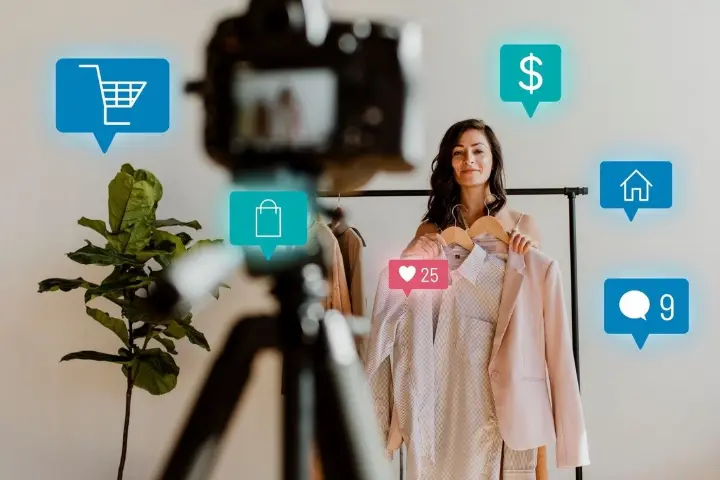
Starting a clothing brand once carried a level of risk that made most creators hesitate. Producing garments meant committing to large quantities upfront, paying for stock before any sales occurred, and handling storage, fulfilment, and logistics. That model worked for established brands with predictable demand, but it rarely suited creators who were still building their audience. That barrier has largely disappeared.
Modern production approaches allow creators to start small and grow gradually. Instead of committing to hundreds of units in advance, many now test ideas in smaller runs or produce items closer to actual demand. That shift has changed how creators approach the entire process.
Many creators are now looking for ways to create their own clothing brand, using flexible production models that let them turn ideas into physical products without taking on unnecessary risk.
That approach reshapes decision-making. A creator can release a design, observe how the audience responds, and decide what to do next without feeling locked into large quantities of unsold stock. Strong ideas scale quickly, while weaker ones can be removed and refined without creating long-term setbacks.
This level of flexibility encourages experimentation. Creators can explore different styles, messages, and visual directions without the pressure to make every design succeed immediately. That freedom often leads to stronger outcomes because the process allows for trial and refinement rather than relying on a single launch.
The workflow also aligns with how creators already operate. Content creation involves constant testing, feedback, and iteration. Applying that same mindset to clothing feels natural. The brand develops in real time, shaped by both the creator's ideas and the audience's response.
That shift has also reduced the operational burden. Without the need to manage large volumes of inventory, creators can focus more on audience growth, content development, and brand identity. The business becomes easier to manage, particularly in the early stages.
Speed plays a role as well. Creators can move quickly from idea to release, responding to trends, moments, or audience engagement without waiting for long production timelines. That responsiveness makes clothing feel more connected to the content itself.
As a result, launching a clothing brand no longer feels like a major leap. It feels like a natural progression, one that fits within the existing creative process rather than sitting outside it.
From Audience to Ownership
As creators move into clothing, the relationship with their audience begins to shift. Followers no longer act purely as viewers. They become participants in something larger. That transition from audience to community strengthens the overall brand.
Ownership sits at the centre of this change. Content platforms provide reach, but they don't offer long-term control. A brand gives creators something they can build independently, without relying on the performance of a single post or the direction of an algorithm.
Clothing plays a key role in that shift by creating a tangible connection. It gives the audience something physical to engage with. It moves the relationship beyond the screen and into everyday life.
That shift also changes how creators think about value. Instead of focusing solely on engagement metrics, they begin to prioritise loyalty, recognition, and long-term connection. A strong brand builds repeat support, not just momentary attention.
The audience responds to that change. People who feel connected to a creator are more likely to support something that feels meaningful. Clothing offers that opportunity by allowing people to express that connection visibly.
That visibility matters. When someone wears a piece linked to a creator, it creates a subtle form of communication. It signals shared interest or alignment without needing explanation. That reinforces the sense of belonging that sits at the centre of many creator-led brands.
Creators who recognise this shift often move beyond simple product releases. They begin to think in terms of identity rather than merchandise. That mindset leads to stronger brands because it focuses on connection rather than transaction.
More Than Merch: Clothing as Identity
The concept of merch has evolved significantly. What once felt like an add-on now carries far more weight. Basic logo prints no longer create the same level of interest. Audiences expect more thought, more relevance, and more alignment with the creator's identity.
Clothing now operates as a form of self-expression rather than simple branding.
People don't just buy creator-led clothing to show support. They wear it because it reflects how they see themselves. A strong design connects on a personal level. It represents humour, perspective, or shared experience.
That shift influences how creators approach design. The strongest pieces work independently of the creator's name. They stand on their own visually. Someone can wear the design without needing to explain where it came from, and it still feels relevant.
Belonging plays a central role in this. Wearing something linked to a creator often signals membership within a wider community. It creates recognition between people who share similar interests or perspectives.
That sense of connection goes beyond the product itself. It creates a shared identity that extends across both digital and physical spaces. The clothing becomes part of that identity rather than just something associated with it.
Longevity adds another layer. Content moves quickly, but clothing remains. A well-designed piece becomes part of someone's routine. It gets worn repeatedly, seen in different contexts, and integrated into everyday life.
That creates a lasting link between creator and audience. It turns a moment of engagement into something more continuous.
Creators who understand this tend to move away from treating clothing as a secondary product. They begin to see it as a core part of their brand, as important as the content itself.
Building Something That Lasts
As creator-led clothing brands grow, they begin to take on a life of their own. What starts as an extension of content can evolve into something much broader. The brand develops its own identity, direction, and audience.
That evolution often happens gradually. Early releases focus on simple ideas, testing what resonates and what doesn't. Over time, patterns emerge. Certain styles perform better, certain messages connect more strongly, and certain designs gain traction.
Creators can then build on those insights. They refine their approach, expand their product range, and develop a clearer sense of what the brand represents. That process creates a stronger foundation for long-term growth.
Collaboration also becomes a possibility. As brands develop, creators can work with others who share similar audiences or values. That expands reach while maintaining authenticity.
The shift from content to brand also creates new opportunities beyond clothing itself. Once a strong identity exists, it can extend into other areas. Clothing often acts as the starting point because it is the most accessible and the most connected to identity.
The key difference comes from the starting point. Traditional brands often begin with a product and then work to build an audience around it. Creator-led brands start with an audience and build the product around it. That reversal creates a stronger connection from the beginning.
That connection supports long-term growth. It allows the brand to evolve alongside its audience rather than chasing external trends.
From Content to Culture
Creators are no longer limited to content alone. They are building brands, shaping identities, and finding new ways to connect with their audiences. Clothing sits at the centre of that shift because it turns digital presence into something physical and lasting.
A t-shirt may seem simple, but it carries meaning. It represents identity, builds connection, and extends influence beyond the screen. It allows audiences to take part rather than simply observe.
Modern tools have made this process more accessible than ever. Flexible production, faster design cycles, and closer relationships with audiences have removed many of the barriers that once existed.
The shift reflects a broader change in how people engage online. Audiences want more than content. They want connection, identity, and belonging. Clothing provides a clear and visible way to express that.
That trend will continue to grow. As digital culture evolves, creators will continue to look for ways to extend their presence beyond platforms. Clothing offers one of the most natural ways to do it.
Creators who recognise this are not just selling products. They are building something that exists both online and offline — something that continues to grow alongside their audience.
Why Creators Are Turning Their Content Into Clothing Brands in 2026