
In our tech-driven world, cable clutter and misplaced chargers are inevitable inconveniences. Power cords and cables for laptops, phones, gaming consoles and kitchen gadgets can cause clutter and become a time-consuming headache.
Fortunately, with the help of a few tricks and some helpful equipment, your power cords can be neatly arranged and easily accessible.
In this guide, we will be talking about some simple yet effective ways of dealing with your power cords at your home or office, which will save you time, space, and stress.
1. Start By Identifying Power Cords
Before starting the process of reorganizing, spend a few minutes determining all the cables that you have. This is the first step because, in most cases, power cords look similar, especially those from devices with the same manufacturer. Go through all the rooms and pick up all your cords; those that are connected to electronics, as well as loose ones that are stored in drawers.
Once you have collected them, label each cord with its use or the device it belongs to. You can either use adhesive labels, masking tape, or even color-coded zip ties to make the identification easy.
Labeling cords makes you immediately understand which one is a charger for your printer, TV, or laptop. It is a small thing that prevents unplugging the wrong cable and makes future maintenance easier.
2. Use Cable Management Tools
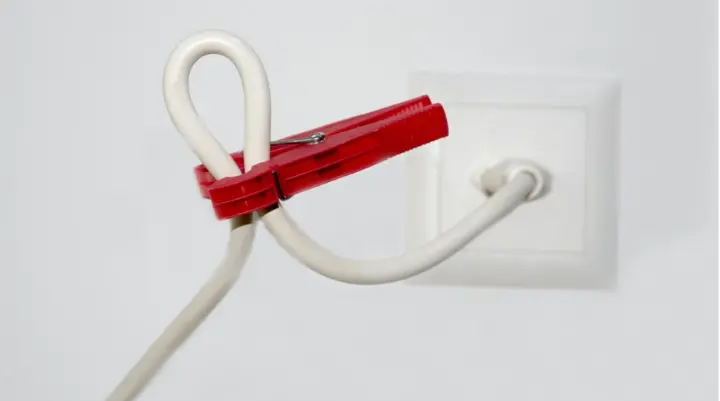
The right tools can convert chaos to order. There are hundreds of cable management products on the market to help keep cables tidy and out of sight.
For everyday setups, you might want to consider using cable clips or cable sleeves to neatly organize cords. Cable traps are also great options as they can be easily adjusted or reused when the need arises to add or remove a cable.
If you are planning cords around a work desk, a cable management box is the best thing to invest in. These boxes keep bulky power strips and excess cable length out of sight, immediately making your work area look cleaner.
3. Store Cords by Category
Instead of putting all your cords in a single box or drawer, organize them by category or application. For example, store your computer-related cables (HDMI, Ethernet, and USB cords) together, and phone or tablet chargers in a separate container. This way, you know what you are looking for faster without having to search through a mess of jumbled items.
Store the cords in small containers, resealable bags or labeled drawers. Even household objects like toilet paper rolls or food containers can be reused into simple and less expensive cord organizers. The trick here is to make sure that each group has an exclusive marked location where the cords will be kept in a separate place that is understandable over time.
4. Shorten Excess Cable Length
Long cords knot and twist easily, making your space look untidy. To fix this, reduce the length by winding or wrapping it up. Wrap the coils with twist ties, cable straps, or reusable cable wraps. Do not wrap the cords too tightly, because in the long run, it will destroy the internal wiring.
In the case of equipment that is plugged in most of the time, such as a television or a desk computer, it is advisable to consider a cord cover or spiral wrap to control the excess. This not only ensures that cables are kept safe and in place, but it also prevents them from being worn and torn.
5. Conceal Cables for Cleaner Look
If your goal is to maintain a clean, minimalist aesthetic, concealing cables can make a huge difference. Place cable channels or raceways behind your TV set or in the corners of your furniture to conceal cords along the walls or furniture. Most of them are available in neutral colors or paintable to match your style.
In offices or living rooms, hiding cords not only improves visual appeal but also reduces tripping hazards—especially if cables cross walkways or open spaces.
6. Implement Routine for Cord Maintenance
Organization isn’t a one-time task—it’s a habit. Eventually, new machines and cords will find their way into your space, so it’s necessary to have a routine for systematizing everything.
Periodically (every few months), take inventory of your cords and eliminate those that are torn or unnecessary. This helps to avoid the slow accumulation of clutter.
Regular maintenance of your system will help you avoid having to reorganize it.
7. Label Outlets and Power Strips
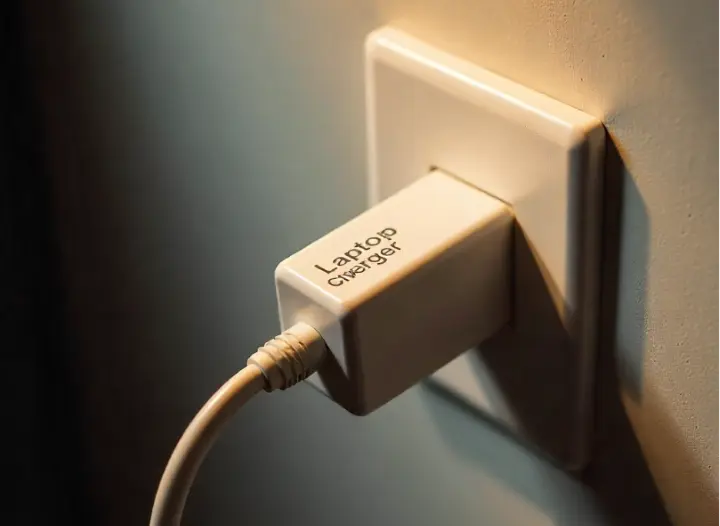
Another often-overlooked detail is labeling your power strips and wall outlets. Write on little stickers or labels what's plugged in each socket. This simplifies troubleshooting and disconnection of certain gadgets, particularly in a common area such as an office or an entertainment system consisting of several gadgets.
When you have several surge protectors or extension cords, label them by the room or purpose they serve. This additional step may seem insignificant, but it can save you time when reorganizing, cleaning, or performing maintenance.
8. Use Smart Power Solutions
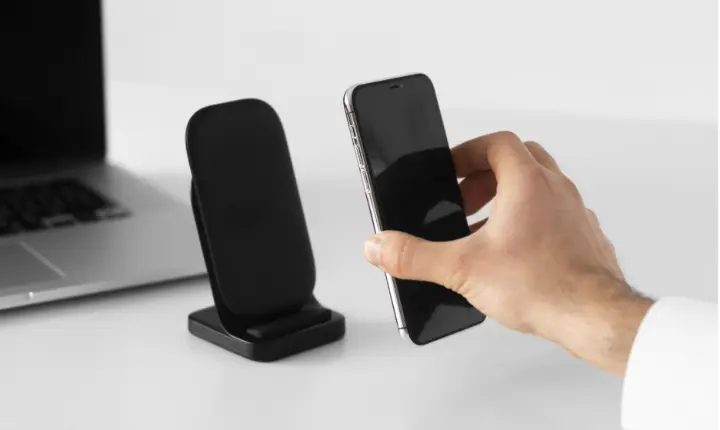
Finally, consider upgrading to smarter, more efficient power options. Power strips with built-in USB ports, surge protectors, or wireless charging pads can significantly decrease the number of individual cords you require. There are also modern desks with built-in cable channels and charging hubs, which keep the setup clutter-free.
Choosing smarter gadgets and accessories will not only help minimize clutter but also make your day-to-day routine much easier.
Final Thoughts
Organizing your power cords doesn’t have to be complicated. With a combination of labeling, smart storage, and consistent maintenance, you can eliminate the frustration of tangled cables for good.
The result? A cleaner, safer, and more efficient space where your devices work perfectly and where your mind would feel a little bit more comfortable.
How To Organize Your Power Cords Effectively